

A few years ago we launched the “Reparations Royalty Pilot Program“. Many churches across the U.S. and Canada have planned and enacted a program based on our pilot guide. In April of 2026, we held a Zoom for participants and those considering a similar program to share success stories, failures, and learnings. Below is a summary of that meeting.
Success Stories!
- A church in Charlotte, North Carolina shared that they have collected $20,000 over three years and congregation members of color leading the initiative. Their program consists of a special monthly offering held during the second hymn on fourth Sundays. The money collected goes to support young local Black musicians and distribution of the funds is overseen by a subcommittee consisting of three Black congregation members.
- A church in Denver, Colorado has collected $25,000 and established a fund to support Black musicians and community programs. Their program includes a blurb in the bulletin about performed spirituals and a QR code for donations, with a separate budget line item collecting funds that are distributed to support the musical contributions of enslaved persons. The leader shared that the process of establishing and running their program has “revealed blind spots” in their anti-racism work.
Struggles
- A church in Oregon shared that their experience with a spirituals program at her church led to the program being “paused.” There were concerns raised by congregation members about how the music was being performed and potential offensive language used during a service by a lay leader. The church has since been consulting with Black community members in their city about how to proceed, with suggestions to focus on educational aspects and proper performance rather than using terms like “reparations.” The group is considering organizing a workshop with musicians to improve their understanding and execution of spirituals, with plans to develop a core group of trained singers who can lead these performances appropriately.
- Brian shared that at his own church, the idea of the program was brought up to the Music & Worship Committee. While a good conversation was spurred by the idea, the committee did not move forward with enacting anything due to a fear that a program like this would be “divisive”. While other work towards anti-racism work continues, at that time and place it wasn’t the right next step for his own congregation.
Learnings & Ideas
- A United Church of Christ pastor discussed their church’s journey with anti-racism work, emphasizing the importance of discomfort as a sign of authentic progress. She highlighted feedback from Black community members about presenting spiritual hymns respectfully and the need for ongoing training. The church is transitioning from an interim group to an ongoing team to continue this work effectively.
- Adam Waite suggested the following resources to help with education and pedagogy for Spirituals:
- Wade in the Water” by Art Jones
- Way Over in Beulah Lan’ by André J. Thomas
- Brian Hehn found that a recurring theme in the conversation was that the relationships built through a program like this is equally or more important than the actual program itself. Relationships between congregants as they learn and grow together, relationships between the congregation and local community groups, and relationships to POC leaders that the congregation engage during their learning process.
More information about the program, go to: Reparations Royalty Program – Sing! The Center For Congregational Song
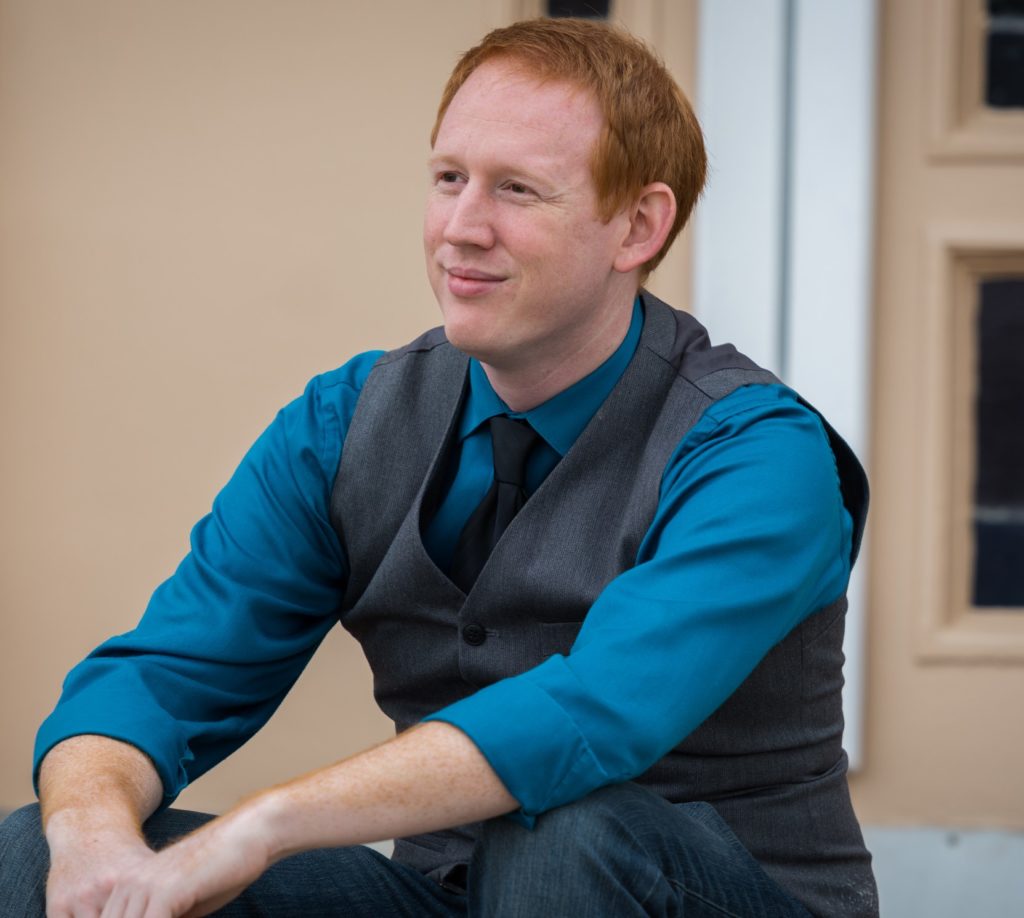 Brian Hehn is the Director of The Center for Congregational Song. He also serves as the Director of Adult Discipleship and Liturgical Worship for St. John’s Evangelical Lutheran Church of Phoenix, MD.