

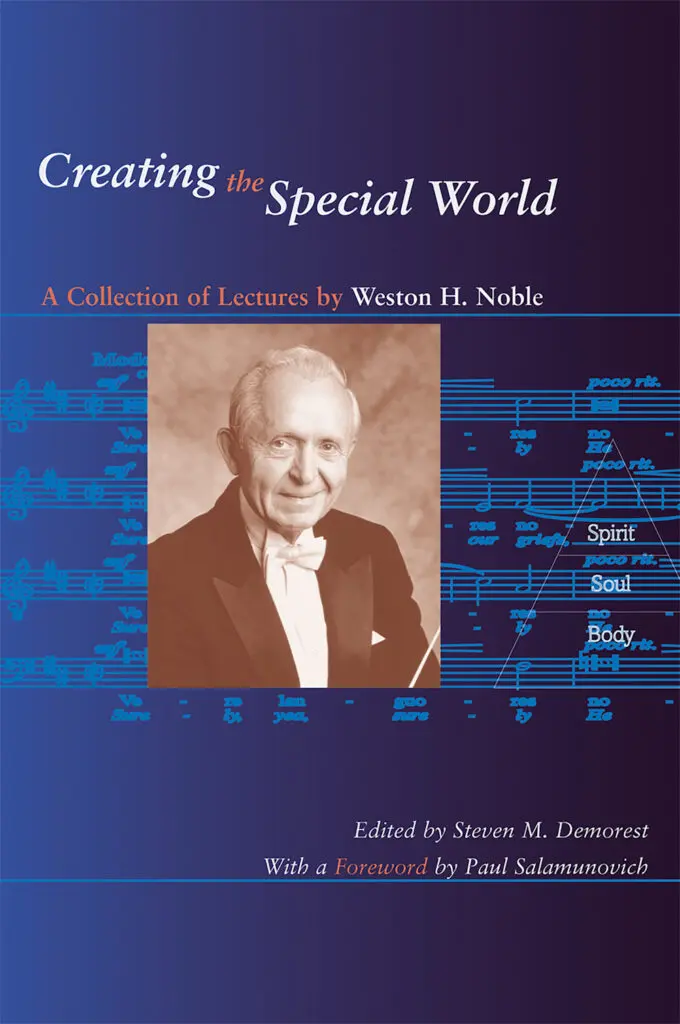
In 2005, I attended the National Conference of the Association of Lutheran Church Musicians in New York City. One of the highlights was learning from Weston Noble, whose book Creating the Special World: A Collection of Lectures had recently been published.
I remember church musicians gathering around him, eager to hear what he had to say. Noble spoke about singing in a choir and how understanding a song’s meaning helps singers communicate its message. Music is about more than singing the right notes and words. When singers understand what they are singing, they can share something of themselves and connect with one another through the music.
As I listened, I began to wonder how these ideas might apply beyond the choral rehearsal. What if we approached congregational singing in the same way? Could understanding a hymn’s meaning help a congregation connect more deeply with the words and with the people singing beside them?
I’ve kept coming back to those questions throughout my years in church music ministry. In Lutheran worship, the congregation is not simply an audience listening to others sing. The congregation is the primary choir. When we sing together, we proclaim the Word, share our faith, and participate in the worship of God. As church musicians, we aren’t just leading the music. We’re also helping people understand what they’re singing and giving them reasons to sing with meaning.
One way to do this is to share the stories behind our hymns. Over the years, I’ve found that even a few sentences in the worship bulletin can help people hear a familiar hymn differently. Here are three examples:
-
“They’ll Know We Are Christians by Our Love”
Many of us remember singing this hymn around a campfire or at church gatherings. But knowing how it came to be written adds something to those familiar words.
In 1966, the United States was experiencing deep racial divisions and unrest, and Chicago was no exception. On the city’s South Side, Catholic priest Peter Scholtes was serving at St. Brendan’s parish, where he worked with young people preparing for ecumenical and interracial gatherings. At a time when racial and denominational differences often divided communities, Scholtes wanted a song that expressed the hope of people coming together in Christ. Unable to find one, he wrote it himself.
Inspired by Jesus’ words in John 13:35, the hymn reminds us that our love for one another is an important witness to Christ. Knowing its history makes me listen more closely to the words. Are we living the love we sing about?
*About Today’s Hymn: Peter Scholtes wrote this hymn in 1966 for ecumenical and interracial youth gatherings on Chicago’s South Side, at a time when racial divisions challenged communities across the country. Inspired by Jesus’ words in John 13:35, the hymn reminds us that our love for one another is a witness to Christ. Its message continues to challenge us to look beyond our differences and live out the love we sing about.
-
“Now Thank We All Our God”
We often sing “Now Thank We All Our God” on Thanksgiving, but Martin Rinckart’s story reminds us that gratitude is not reserved for easy times.
Rinckart was a Lutheran pastor in Eilenburg, Germany, during the Thirty Years’ War (1618–1648). His community endured war, famine, and disease. During the plague of 1637, he continued ministering to the people of his city and conducting funerals. His wife also died during this difficult period.
The hymn is associated with the title Tisch-Gebetlein, meaning “a little table prayer.” Imagine offering a prayer of gratitude before a meal amid such hardship.
That story changes how I hear this familiar hymn. When I think about what Rinckart lived through, the words of thanksgiving seem all the more meaningful.
*About Today’s Hymn: Lutheran pastor Martin Rinckart lived through the Thirty Years’ War, a time of devastating conflict, famine, and disease. His hymn is associated with a title meaning “A Little Table Prayer,” connecting it with the practice of giving thanks before a meal. Rinckart’s story invites us to consider how gratitude can sustain us, even in the most difficult seasons of life.
-
“O Look and Wonder”
The energy of “O Look and Wonder” is part of its message. Its music invites us to experience the joy of faith together.
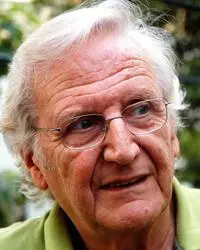 Argentinian Methodist minister and composer Pablo Sosa drew on the musical traditions of his culture to help people express their faith through music rooted in their lives. The Calvin Institute of Christian Worship describes his understanding of worship as a “fiesta of the faithful.” For Sosa, this celebration was not about ignoring hardship, but about finding hope and strength together, even in difficult times.
Knowing this gives us another way to hear “O Look and Wonder,” a setting of Psalm 133 that celebrates the goodness of living together in unity. The lively music lets us experience that message as we sing and reminds us to carry our faith into life beyond the church walls.
*About Today’s Hymn: Argentinian composer Pablo Sosa drew on the lively folk rhythms of his culture to help congregations express their faith through music. He understood singing as a “fiesta of the faithful”—a celebration that sustains hope even in difficult times. As we sing, let us celebrate the gift of life together, finding joy in our community and carrying hope into the world.
Helping the Story Come Alive
I still think about that afternoon in New York City and what I learned from Weston Noble. His teaching about choral singing helped me see congregational singing in a new light. If understanding a song’s meaning helps a choir connect and communicate, the same can be true of a congregation.
As church musicians, we have opportunities every week to help people discover the stories behind the hymns they sing. Sometimes a few sentences in the worship bulletin can help people hear familiar words differently and sing them with greater understanding.
When we know the stories behind our hymns, we bring more than words and melodies to our singing. We bring the faith, hopes, and experiences of those who sang before us. And as we sing, we carry that faith forward, sharing it with the generations who will sing after us.
Sources and Further Reading
- “They’ll Know We Are Christians by Our Love” — United Methodist Church Discipleship Ministries
https://www.umcdiscipleship.org/articles/history-of-hymns-theyll-know-we-are-christians-by-our-love - “Now Thank We All Our God” — Hymnary.org
https://www.hymnary.org/text/now_thank_we_all_our_god - “Pablo Sosa on Congregational Singing” — Calvin Institute of Christian Worship
https://worship.calvin.edu/resources/articles/pablo-sosa-congregational-singing
*If you use the “About Today’s Hymn” in your bulletin or other church publications, please use this acknowledgement: This excerpt written by Denise Makinson and originally published by The Center for Congregational Song.
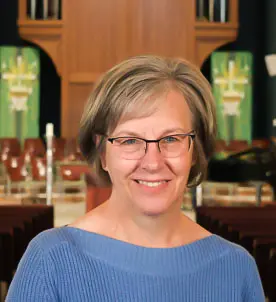
Blogger Denise Makinson has served as Director of Music Ministries at Southwood Lutheran Church (ELCA) in Lincoln, Nebraska, since 1994. Over the years, she has had the joy of exploring the many ways music can enrich worship, tell the Christian story, and bring people together. At Southwood, she has helped nurture a music ministry that embraces a wide variety of musical styles and traditions, always with the hope that music will help people encounter God and experience the Gospel more deeply.